
Understanding the social consequences of gambling A deep dive into its impact on communities
The Rise of Gambling in Modern Society
Gambling has evolved significantly over the years, transforming from a niche activity into a widespread cultural phenomenon. Today, it is not just confined to casinos but extends to online platforms, sports betting, and even mobile applications. This accessibility has opened doors for many, allowing individuals to engage with gambling in various forms. However, while the entertainment aspect is often highlighted, the potential social consequences are frequently overlooked. For those seeking alternatives, numerous betting sites offer exciting opportunities to explore.
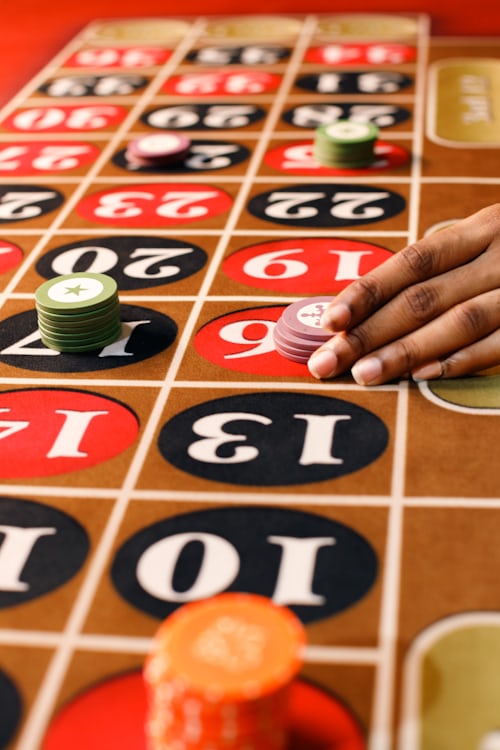
As gambling becomes more integrated into everyday life, its effects on communities become increasingly evident. The normalization of gambling can lead to a culture where betting is viewed as a standard form of entertainment, which may inadvertently encourage risky behaviors. The shift in perception poses challenges that require communities to address both the benefits and the drawbacks of this growing trend.
Economic Impact on Communities
The financial implications of gambling extend beyond individual losses or gains; they significantly affect local economies. While gambling establishments may contribute to job creation and increased tax revenue, they can also lead to economic distress for many families. This duality raises questions about the sustainability of gambling as an economic driver, particularly in areas where the negative repercussions are felt more acutely.
Additionally, the money spent on gambling often detracts from local businesses and community welfare. Individuals may allocate funds intended for necessities or local services towards gambling activities. Over time, this shift can erode the financial stability of communities, leading to higher poverty rates and increased dependence on social services.
Social Strain and Family Dynamics
The social consequences of gambling extend deeply into family structures and relationships. Often, gambling addiction can create significant strain, leading to conflicts and breakdowns in communication. Families may face financial burdens due to one member’s gambling habits, resulting in stress and even estrangement.
Moreover, the impact of gambling is not limited to the individual gambler; it ripples through families and social circles. Children in households affected by gambling may experience emotional distress, instability, and a lack of resources, which can hinder their development and future prospects. Thus, addressing the social consequences of gambling is essential for the health of families and communities alike.
Community Resources and Support Systems
As gambling-related issues become more prevalent, communities are increasingly recognizing the need for effective support systems. Nonprofits, local governments, and healthcare providers often collaborate to create resources aimed at educating individuals about the risks of gambling and providing assistance to those in need. These initiatives can include counseling services, financial literacy programs, and outreach efforts to raise awareness.
However, the effectiveness of these resources relies heavily on community engagement. When individuals come together to address gambling issues, they foster a supportive environment that can help mitigate the negative consequences. Collective action can empower communities to reclaim their spaces, leading to healthier and more resilient neighborhoods.
Connecting with Alternatives and Responsible Gambling
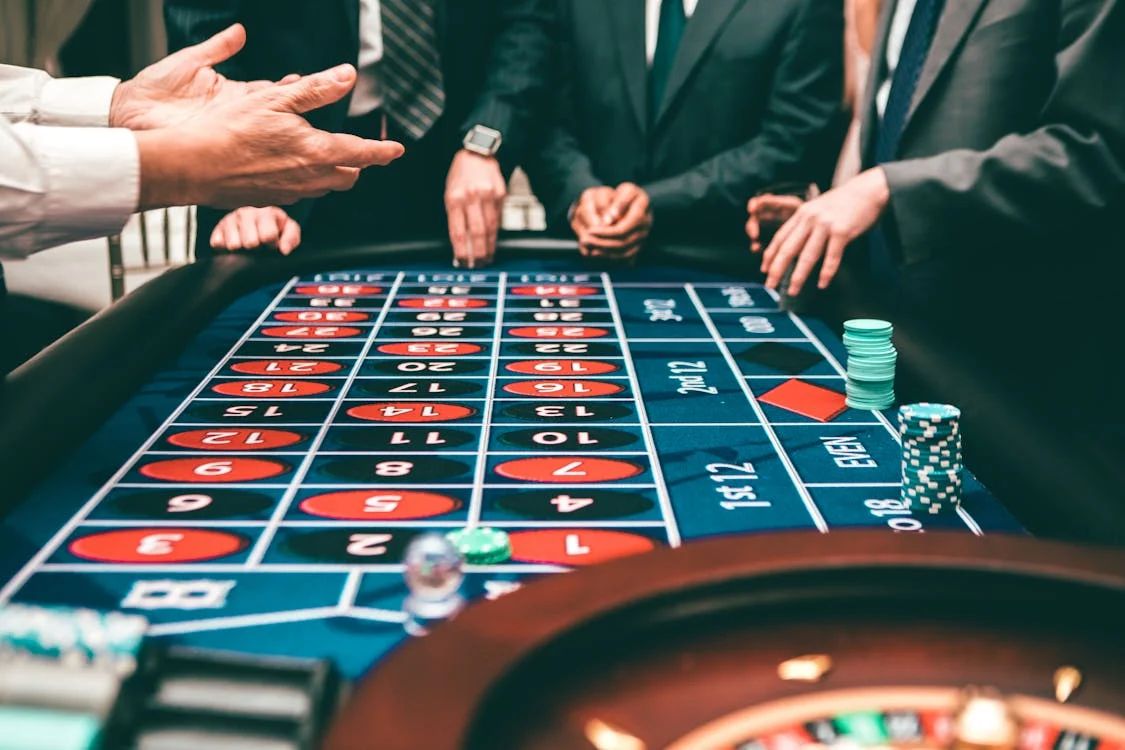
In light of the social consequences tied to gambling, it is crucial to foster an environment that encourages responsible gaming and alternative forms of entertainment. Websites and platforms dedicated to guiding individuals towards responsible gambling practices can play a significant role. These platforms often provide insights into managing finances effectively while gambling and highlight the importance of setting limits to avoid harmful behaviors.
Moreover, by offering information on alternative recreational activities, such resources can encourage individuals to explore hobbies and interests outside of gambling. By promoting a balanced approach to leisure activities, communities can work toward reducing the negative impacts of gambling while fostering a healthier culture of entertainment.